
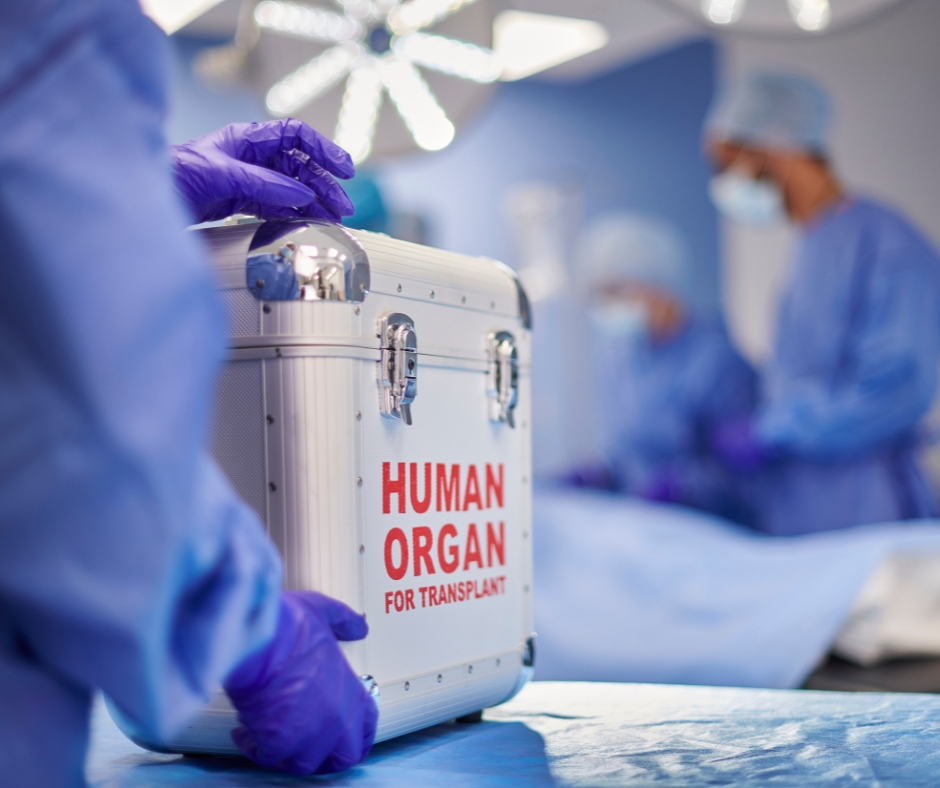
Organ Donation: 5 Lakh Lives Await Victory
Every year, thousands of families wait anxiously for a phone call that can change everything. A call that says a matching organ is available. A call that brings hope, relief, and a second chance at life. In India alone, nearly 5 lakh people are waiting for organ transplants, yet only a fraction receive them in time. This gap between need and availability makes Organ Donation not just a medical process, but a powerful social responsibility.
Organ Donation has the potential to transform grief into hope, loss into life, and endings into new beginnings. This blog explores the importance of Organ Donation, the current situation in India, myths and facts, the process involved, and how each one of us can contribute to saving lives.
Understanding Organ Donation
Organ Donation is the process of giving an organ or tissue from one person (the donor) to another person (the recipient) who needs it due to organ failure or severe disease. Organs such as the heart, liver, kidneys, lungs, pancreas, and intestines can be donated. In addition, tissues like corneas, skin, bones, and heart valves can also be donated.
Organ Donation can take place in two major forms:
Living Organ Donation – When a living person donates an organ or part of an organ, such as one kidney or a portion of the liver.
Deceased Organ Donation – When organs are donated after a person is declared brain-dead, with consent from the family.
Both forms of Organ Donation are life-saving and play a crucial role in bridging the gap between demand and supply.
The Reality: 5 Lakh Lives Waiting
India faces a massive shortage of donated organs. While medical technology and transplant expertise have advanced significantly, the availability of organs remains critically low. According to estimates, nearly 5 lakh patients need organ transplants every year, but less than 10% receive them.
For example:
Around 2 lakh people require kidney transplants annually.
Nearly 50,000 people need heart transplants.
Thousands wait for liver, lung, and pancreas transplants.
The main reason behind this shortage is a lack of awareness, social myths, and hesitation around Organ Donation. Many potential donors are lost simply because families are unsure or misinformed at the time of decision.
Why Organ Donation Matters
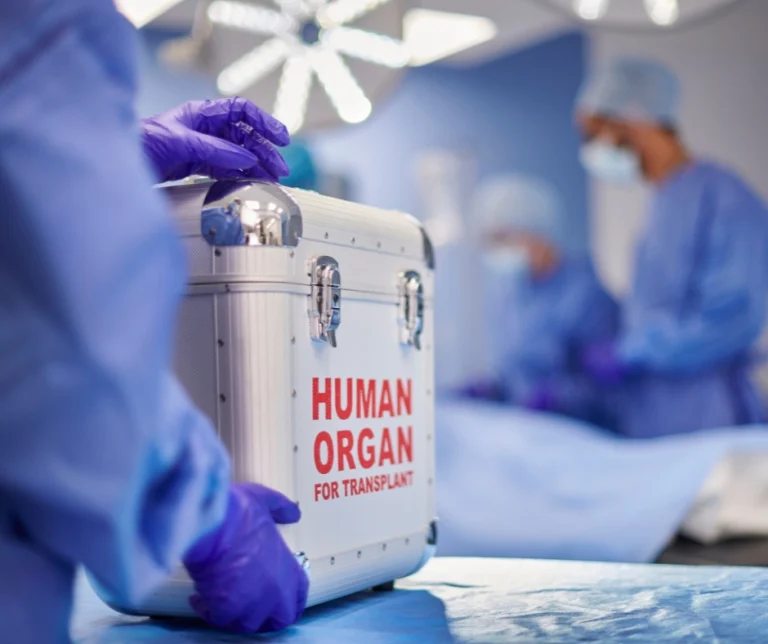
Organ Donation is not just about saving one life; a single donor can save up to eight lives and improve many more through tissue donation. The impact is far-reaching:
Saves Lives: Organ Donation gives critically ill patients a second chance at life.
Improves Quality of Life: Recipients often return to normal, productive lives.
Creates Hope: Families of recipients get renewed hope and happiness.
Legacy of Humanity: Donors leave behind a powerful legacy of compassion.
Choosing Organ Donation is one of the most selfless acts a human being can perform.

Myths and Facts About Organ Donation
Despite its importance, Organ Donation is surrounded by myths that discourage people. Let’s break some common misconceptions:
Myth 1: Doctors won’t try to save my life if I am a donor
Fact: Doctors are ethically and legally bound to save your life first. Organ Donation is only considered after all life-saving efforts fail.
Myth 2: Organ Donation disfigures the body
Fact: Organ Donation is performed with utmost respect. The body is carefully reconstructed, and funeral rituals are not affected.
Myth 3: My religion doesn’t allow Organ Donation
Fact: Most major religions support Organ Donation as an act of charity and compassion.
Myth 4: Only young and healthy people can donate
Fact: Age is not a strict barrier. Medical suitability matters more than age.
By clearing these myths, we can encourage more people to support Organ Donation.
The Process of Organ Donation in India
Understanding the process can help remove fear and confusion.
Living Organ Donation Process
Medical evaluation of the donor and the recipient
Legal authorization and consent
Surgery and post-operative care
Deceased Organ Donation Process
Declaration of brain death by a certified medical board
Consent from family members
Organ retrieval and allocation through a transparent system
The Indian government has established regulatory bodies to ensure ethical and fair Organ Donation practices.

Role of Families in Organ Donation
In most cases, even if a person has pledged Organ Donation, family consent is crucial. During moments of grief, families often hesitate due to emotional distress or lack of clarity.
This is why it is important to:
Discuss Organ Donation with family members in advance
Clearly express your wish to donate
Educate loved ones about the impact of Organ Donation
A simple conversation today can save multiple lives tomorrow.
Emotional Impact of Organ Donation
For donor families, Organ Donation can provide comfort during loss. Knowing that their loved one helped save lives brings a sense of purpose and healing. For recipients, Organ Donation is nothing short of a miracle. It means watching children grow, returning to work, and living life with renewed energy. These emotional stories highlight why Organ Donation truly represents victory for humanity.

The Road Ahead: Turning Waiting into Winning
The title “Organ Donation: 5 Lakh Lives Await Victory” reflects both urgency and hope. Victory is possible if awareness replaces fear and compassion replaces hesitation.
Organ Donation is not about death—it is about life beyond loss. It is about choosing humanity over hesitation and hope over fear.
If more people step forward today, tomorrow’s waiting list can become a list of survivors.