The Oil Truth: Is Your Refined Oil a Silent Poison? What a Clinical Dietitian Says About the "Healthiest" Ingredient in Your Kitchen.
Section 1: The Hook & Reality Check
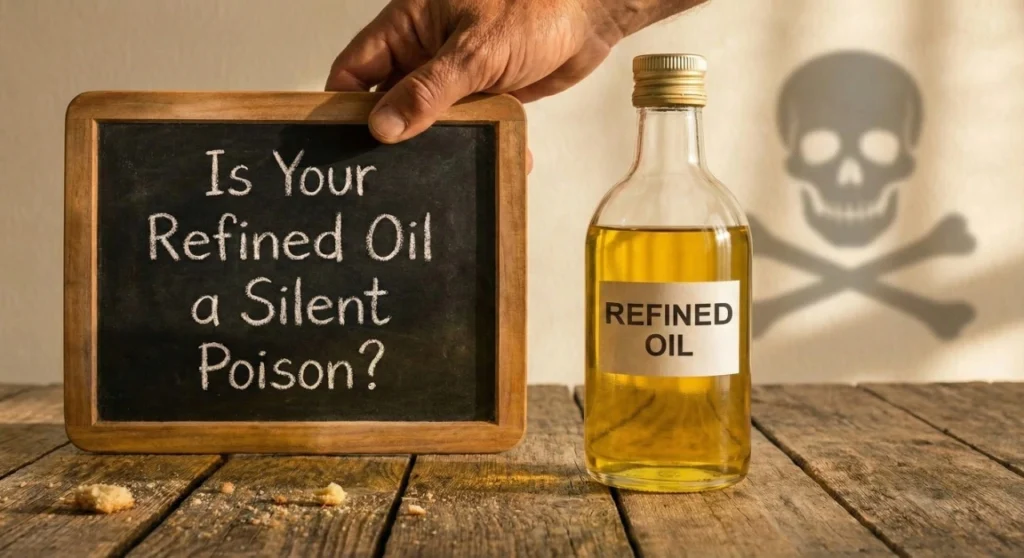
The label on your refined oil bottle probably screams “Heart-Friendly,” “Light,” or “Cholesterol-Free.” It’s the oil that dominates nearly every modern Indian kitchen, promising guilt-free cooking. But what if the most common ingredient in your pantry—the one you trust for your family’s health—is actually a silent poison?
This isn’t hyperbole. This is the verdict from Senior Clinical Dietitian Rachna Aggarwal, who stated in a recent masterclass, “Refined is poison. Like refined oil is the worst thing one can have.”
Why such a harsh judgment against an ingredient marketed as the epitome of healthy cooking oil? The truth lies not in the seed, but in the brutal, chemical-laden journey the oil takes from the farm to your frying pan. We’re diving deep into the dangers of refined oil, exposing the toxic manufacturing process, and showing you the sustainable, traditional cooking oils you must switch to immediately for better health. If you are serious about replacing refined oil, this is the guide you need.
Section 2: The Refining Process Exposed: Why It Kills Nutrients
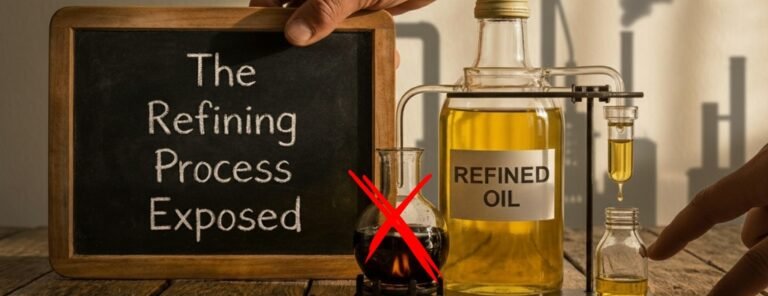
To understand why refined oil inflammation is a major health concern, we first have to understand how refined oil is made. The process is not about natural extraction; it’s an intense industrial operation designed to strip away everything—smell, color, flavor, and sadly, nutrition—so the oil can sit on the shelf forever.
The Toxic Journey: High Heat and Harsh Chemicals
Imagine taking a high-quality food item and subjecting it to extreme chemical baths and temperatures. That’s essentially what happens during the refining process of oil:
Chemical Neutralization (Degumming): The crude oil is treated with harsh chemicals like phosphoric acid to remove impurities and sediment. This step already compromises the natural structure.
Bleaching: To achieve that clear, golden look, the oil is passed through activated charcoal and bleaching clay. This removes color and odor, but critically, it strips away the oil’s natural antioxidants and valuable micronutrients, turning it into an empty calorie source.
Deodorization (The Deadly Step): This is the ultimate health killer. To remove any lingering flavor or smell, the oil is heated to an astonishing 200°C to 250°C in a vacuum. This high heat processing fundamentally changes the oil’s molecular structure, creating two immediate health hazards:
Trans Fats: The unstable fatty acids in the oil are partially hydrogenated by the heat, generating synthetic trans fats in cooking oil, which are directly linked to cardiovascular damage.
Nutrient Death: Any surviving Vitamin E or natural plant compounds are completely destroyed. The result is a bland, odorless, and chemically stable liquid that offers virtually no nutritional benefit—a true silent poison.
As the Dietitian explains, you are consuming something that is chemically damaged and devoid of the digestive enzymes your body needs.
Section 3: The Health Damage: Inflammation and Trans Fats (Continue)
The consumption of refined oil is directly correlated with chronic systemic issues that plague modern life.
The Inflammation Epidemic
When your body tries to process these chemically altered and high-temperature-processed fats, it treats them as invaders. This triggers a constant, low-grade inflammatory response. Chronic refined oil inflammation is the foundation for almost every major lifestyle disease:
Cardiovascular Risk: Despite the “heart-friendly” marketing, these fats increase the likelihood of arterial damage and heart disease.
Weight Gain and Metabolic Slowdown: The body’s metabolism is confused by the lack of nutrition in the oil. “Your metabolic rate will drop,” warns the Dietitian, explaining that empty calories, combined with the stress on the liver, lead to gradual, stubborn weight gain.
Gut and Digestive Issues: The oil’s unnaturally high heat profile makes it difficult to digest, leading to acidity, bloating, and poor nutrient absorption.
Section 4: The Healthy Alternative: Cold-Pressed Oil and Ghee (Continue)
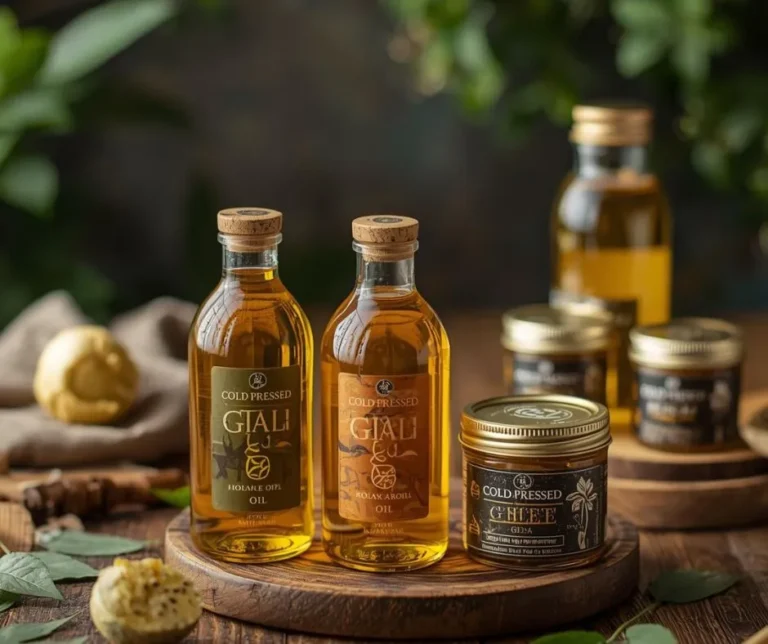
Enough with the bad news. The solution is simple and rooted in our traditions: Cold-pressed oil and pure Ghee.