3 Biggest Cancer Myths About Cancer: Busted
Introduction: The Shadow of Misinformation
Cancer remains one of the most feared words globally, not just because of the disease itself, but because of the dense cloud of misinformation surrounding it. This fear often leads to delayed diagnosis, ineffective treatments, and immense psychological distress. The expert insights, like those shared by Dr. Digpal Dharkar, reveal a critical truth: “Cancer is not a curse, ignorance is.“ The fight against cancer begins by dismantling the toxic myths that fuel this ignorance. This extensive guide dives deep into the most pervasive misconceptions, providing factual, evidence-based counterpoints to empower patients and their families. We will explore key areas—from transmissibility and gender bias to new risk factors—ensuring that Knowledge is Power is not just a slogan, but a reality.
I. Myth Busted: The Stigma of Contagion and Association
A. You Cannot Catch Cancer : The idea that cancer is a transferable disease is one of the most damaging Common Cancer Misconceptions, leading to isolation and social stigma for patients. People often worry, “Is Cancer Contagious?” The unequivocal answer is no. Cancer is a non-communicable disease. It is caused by an uncontrolled growth of the body’s own cells, resulting from genetic mutations or DNA damage, not from an external pathogen that can jump from person to person.
Scientific Explanation: Explain the fundamental difference between infectious diseases (caused by bacteria, viruses, fungi) and cancer (a cellular malfunction). Detail the process of DNA damage and mutation leading to malignancy.
The Virus Link Clarity: While certain viruses (like HPV, Hepatitis B, and EBV) can increase the risk of developing specific cancers, the virus itself is transmitted, not the cancerous cells. Vaccinations against viruses like HPV are crucial tools for cancer prevention, but they do not change the non-contagious nature of the established disease.
The Impact of Stigma: Discuss the psychological toll this myth takes. The fear of association often prevents friends and family from offering necessary emotional support, which is a vital part of recovery and quality of life.
II. Myth Busted: Gender Bias in Breast Cancer Awareness
A. Why Male Breast Cancer is a Critical Health Blind Spot: The pervasive cultural notion that breast cancer is exclusively a women’s disease creates a critical gap in Male Breast Cancer Awareness. The reality is that men have breast tissue and are susceptible to the disease, though the incidence rate is significantly lower. This myth is dangerous for two key reasons:
Delayed Diagnosis in Men: Due to the lack of awareness, men often ignore symptoms like a lump or nipple changes, attributing them to other harmless conditions. By the time they seek medical help, the cancer is often at a more advanced stage, making treatment more complex and outcomes poorer.
Lack of Screening Protocols: Standard public health campaigns and screening guidelines rarely include men, reinforcing the misconception.
Symptoms and Self-Check: Detail the signs men should look for (a painless lump behind the nipple or in the armpit, changes to the nipple like inversion, redness, or discharge).
Risk Factors: Discuss risk factors common to both genders, such as family history, genetic mutations (like BRCA2), radiation exposure, and hormonal imbalances.

III. Myth Busted: The Tobacco Trap in Oral Cancer Causation
A. The Rise of HPV as the Primary Culprit: For decades, the link between Tobacco and Cancer—particularly oral cancer—was undisputed. While tobacco remains a significant risk factor, this simplistic view is outdated and hazardous, especially for non-smokers. Today, data reveals a dramatic shift in the etiology of head and neck cancers.
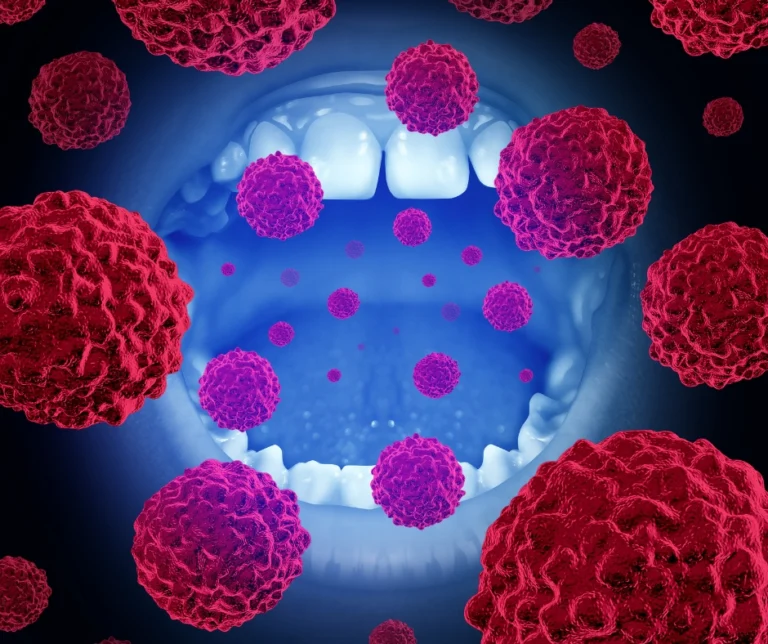
The Staggering Statistic: Cite the startling finding mentioned in the discussion: In many Western nations, up to 90% of mouth and throat cancers are now linked to Human Papillomavirus (HPV), a sexually transmitted virus, rather than just tobacco use.
The Mechanism of HPV: Explain how HPV can cause oral cancers, particularly at the base of the tongue and tonsils (oropharyngeal cancer). This is a vital piece of Oral Cancer Causes HPV education that breaks the old stereotype.
The Role of Chronic Irritation: Detail the third, often forgotten, risk factor: chronic physical irritation. Mention the example of a jagged or sharp tooth repeatedly rubbing against the cheek or tongue, leading to persistent injury that can eventually trigger malignant changes.
Prevention Strategy: Emphasize HPV vaccination as a primary prevention tool for both boys and girls, offering robust protection against this growing cancer risk.