
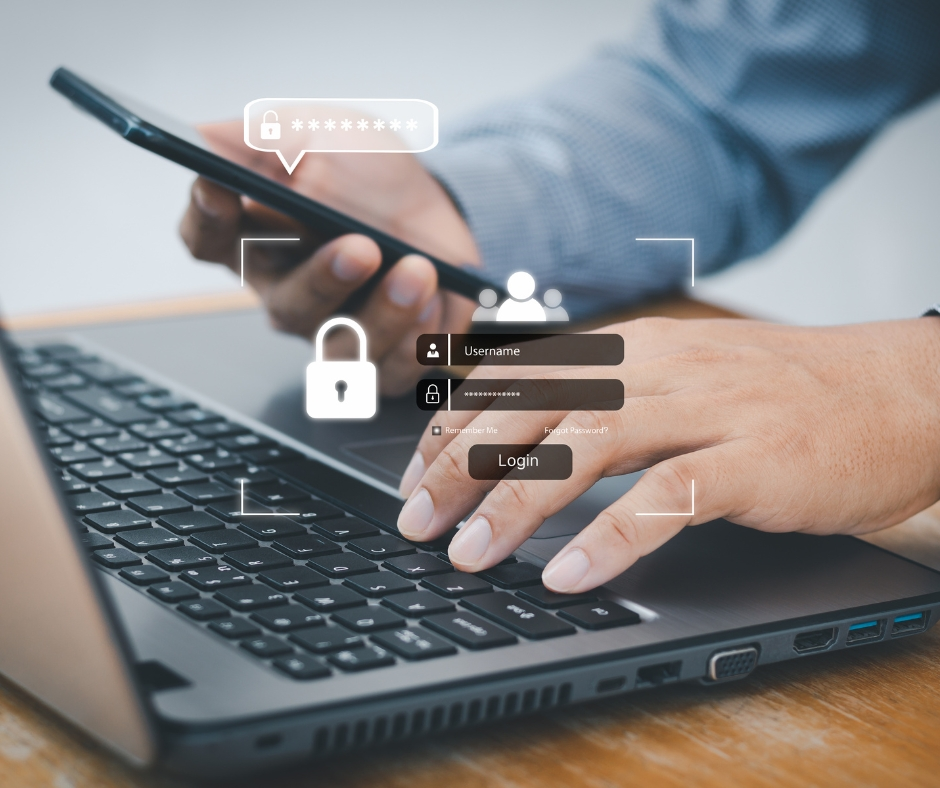
Secure Your Digital Life: The 5 Golden Rules of Cyber Safety in Digital India
Introduction: The Digital Boom and the Need for a Shield
Digital India is not just a buzzword; it’s a reality where over 850 million users are living their lives online. From ordering groceries on an app to instant UPI payments and managing your Aadhaar data, everything is connected. But let’s be real, bhai, where there’s convenience, there’s risk. The sheer volume of transactions and data makes us a prime target for cyber criminals.
This massive hour-long conversation with India’s top cyber awareness expert broke down the chaos into a simple, actionable blueprint. We’re not just talking general tips here; we’re laying down the 5 Golden Rules of Cyber Safety that every Indian citizen must follow to survive and thrive in this digital age. You are the gatekeeper of your own safety—let’s lock the gates!
Rule 1: Set Up Multi-Factor Authentication (MFA) on All Critical Accounts
Passwords Are Not Enough:
Look, a single password is like a paper lock on a steel vault—it’s useless against serious attackers. MFA or Two-Factor Authentication (2FA) is your digital bodyguard. It means accessing your account requires something you know (your password) and something you have (a code from your phone, fingerprint, or a physical security key).
Why MFA is a Non-Negotiable:
Criminals use sophisticated techniques like credential stuffing to test leaked passwords across multiple sites. If you use the same password for everything, your whole digital life is exposed once one site is breached. Setting up MFA instantly shuts down this attack vector.
Sub-Section: MFA is More Than Just SMS:
SMS OTPs: Better than nothing, but risky (SIM swap attacks are a thing!).
Authenticator Apps (Google/Microsoft): The gold standard. Codes change every 30 seconds. Way more secure.
Biometrics: Using fingerprints or Face ID for banking apps is fast and highly secure.
Action Point: Immediately turn on MFA for your Gmail, all social media, payment apps, and, most importantly, your bank and trading accounts.
Rule 2: Think Before You Click – Curiosity Should Never Override Caution
The Lure of the Unknown Link:
Every scam starts with a click, a tap, or a moment of carelessness driven by curiosity or urgency. Cybercriminals are masters of social engineering. They will send a message that makes you panic (“Your account has been blocked!”) or makes you greedy (“You have won ₹50 Lakhs! Click to claim!”).
Recognizing the Scams of Digital India:
This rule is about pausing for 10 seconds. Always verify. Always doubt.
Phishing: Fake emails designed to steal your login info. Check the sender’s email address—if it’s not
support@bankname.combutsupport.bankname.info@gmail.com, it’s a trap!Vishing/Tech Support Scams: Someone calls you pretending to be from your bank or a tech company (like Microsoft) and asks you to download an app (like AnyDesk) to “fix” your issue. Never give remote access.
UPI/QR Code Scams: The biggest in India. Remember this: You never need to enter your UPI PIN to receive money. If someone sends you a QR code and asks you to scan it to receive payment, it’s a lie. Scanning it will send money from your account! Verify every payment request.
Action Point: Treat every unsolicited link or attachment as suspicious. When in doubt, search for the official website or call the official customer care number yourself.

Rule 3: Educate Children About Consent, Privacy, and Safe Online Behaviour
Protecting the Next Generation:
Our kids are digital natives, but they are also the most vulnerable. They are growing up in a world where AI-generated misinformation is rampant and online grooming is a silent threat. Giving a child a smartphone without setting rules is like giving them car keys without a driving lesson.
Three Pillars of Cyber Education:
Education must start before they get the device.
1. Privacy is King: Teach them that not everything needs to be shared. Their location, school name, and personal photos are private. Explain that once something is posted online, it is forever.
2. Understanding Consent: This is crucial. Teach them the difference between appropriate and inappropriate interaction. They must know how to say ‘No’ and that no one online has the right to pressure them for personal details or photos.
3. Stranger Danger: The old rule applies online. Profiles can be fake (remember the video mentioned this!). Never meet someone in person they only know online, and if a “friend” asks for secret photos, tell a trusted adult immediately.
Parental Action: Use Parental Control apps and set screen time limits. Have open, non-judgmental conversations about what they do online.
Action Point: Start the conversation about digital consent and privacy today. Make sure your child knows they can come to you without fear if anything goes wrong online.

Rule 4: Report Suspicious Incidents Without Fear – Silence Empowers the Criminal
Break the Silence:
The cyber expert clearly stated: “Silence empowers the criminal.” Most victims feel shame, guilt, or fear of exposure, and they stay quiet. This allows the criminal to operate freely and victimize more people. Whether it’s financial fraud, blackmail, or harassment, your first and most vital step is to report it.
How and Where to Report:
The system is designed to help, but only if you use it quickly.
The Golden Window: For financial fraud, the first hour is critical. Report immediately so the bank can put a hold on the fraudulent transaction.
National Cybercrime Reporting Portal (NCRP): This is your main resource. Log on to cybercrime.gov.in to file a complaint. You can file reports anonymously for certain types of crimes, making it easier to speak up.
Dial 1930: The dedicated helpline number for financial cyber fraud. Use this number immediately if money has been lost. The sooner you call, the higher the chance of recovery.
Evidence Collection: Save every screenshot, every email, every chat log. This digital evidence is crucial for the police investigation.
Action Point: Promise yourself right now that you will never let shame stop you from reporting a crime. You are the victim, not the culprit. Use the NCRP portal.

Rule 5: Become a Cyber Volunteer – Be the Gatekeeper of Your Community
You are the First Line of Defence:
The video wrapped up with the ultimate advice: In this digital age, you are not just a user; you are a gatekeeper of your own safety and your community’s safety. Cyber awareness can’t just be a government initiative; it has to be a citizen-centric movement.
Your Role in the Cyber Movement:
What does it mean to be a volunteer? You don’t need a uniform or a badge; you just need awareness.
Educate Your Sphere: Teach your local vendors, your grandparents, your society guard, and your neighbours about the latest UPI scams and phishing tricks. Most fraudsters target the less tech-savvy.
Share Verified Information: When you hear about a new scam, share the warning on your society groups (WhatsApp/Telegram) but make sure the information is correct and verified. Stop the spread of AI-generated misinformation.
Be the First Responder: If you see someone in your network falling for a scam or sharing suspicious links, immediately alert them gently and privately. Prevent the crime before it happens.
Action Point: Commit to teaching at least one person this week about the importance of MFA or how to spot a fake bank call.